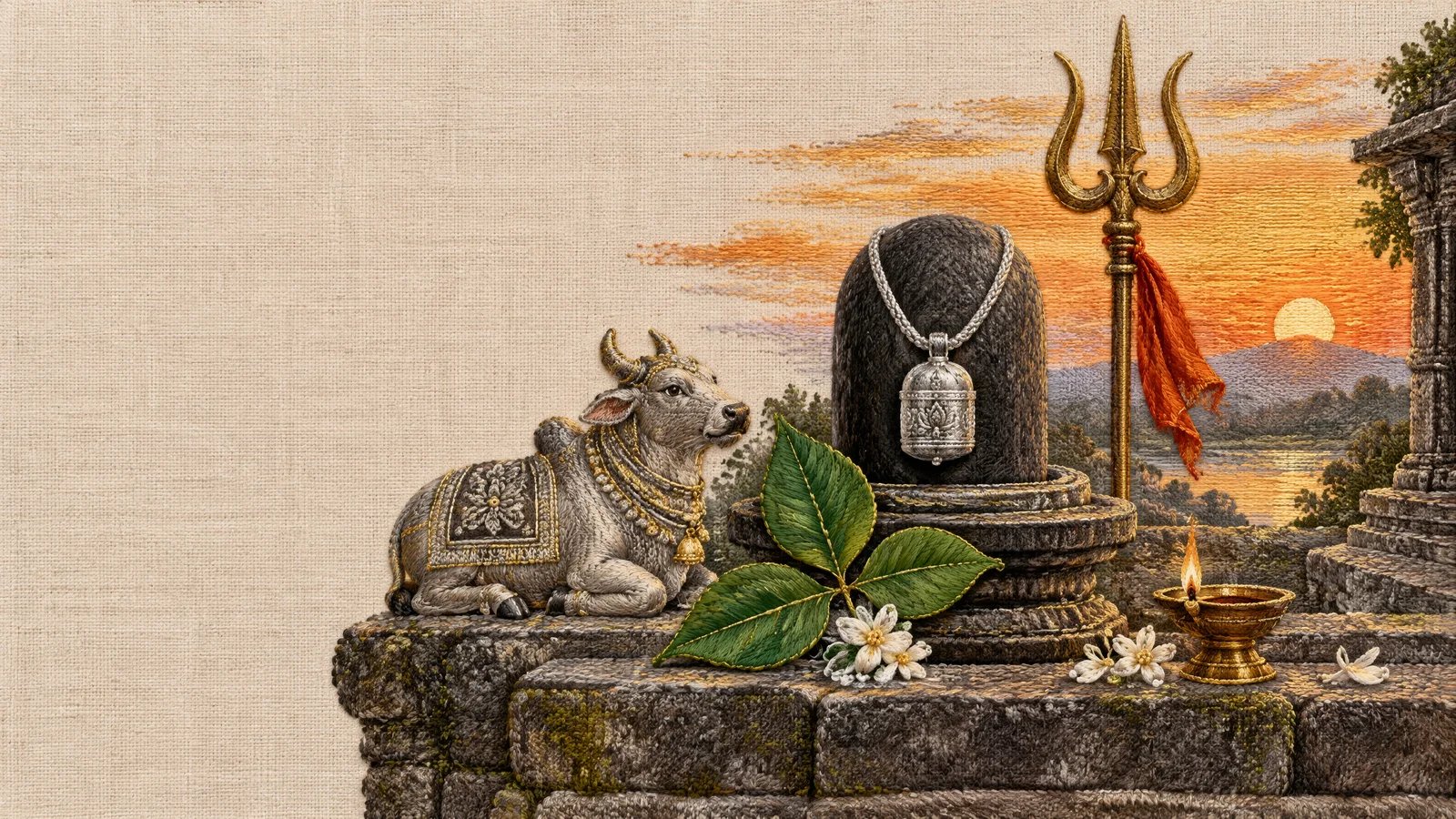
Kayakave Kailasa — Basavanna Vachana
Basavanna's vachana 'Kayakave Kailasa' declares that honest, selfless labor done with a pure heart is itself the realization of the Divine abode.
Verses
Work is Heaven itself, and the path of the Guru is liberation. Honest and pure labor is the realm of the Divine, O Lord of Kudalasangama!
Worship Guidelines & Chanting Benefits (Phalashruti)
Daily or auspicious lunar days (Ekadashi, Purnima, Pradosham)
Brahma Muhurta (4:00 AM – 6:00 AM) or Evening Dusk (Sandhya)
Ghee lamp (Deepa), Incense (Dhoopa), Fresh flowers & Water offering
- Peace of mind, spiritual upliftment, and harmonious energy in the home
Background
Basavanna (1131–1196) was a statesman, philosopher and social reformer in Karnataka who revived and energised the Lingayat tradition and the Sharana movement. He established the Anubhava Mantapa (Hall of Spiritual Experience), where Sharanas of all castes and genders discussed spiritual matters and composed vachanas in plain Kannada. “Kayakave Kailasa” (work is worship) is a principle closely associated with his teaching. It emphasises the dignity of labour (kayaka) and selfless sharing (dasoha). Reading note: we could not match this exact wording to a Kannada vachana in a published edition such as the Samagra Vachana Samputa, so it should be read as a devotional statement of the Kayaka principle, not as a verified vachana text.
About this Text
Composed by: Basavanna · Medieval Lingayat Philosopher-Saint · 12th century, Karnataka
A 12th-century Kannada philosopher, poet, and social reformer who founded the Lingayat (Veerashaiva) movement, rejecting caste hierarchy and ritualism in favor of Ishtalinga devotion and dignified labor as worship (Kayakave Kailasa). He also established the Anubhava Mantapa, an early public forum for spiritual and social debate.
Did You Know?
Social equality
Basavanna spoke against caste barriers and presented work (kayaka) as a spiritual path open to all.
Anubhava Mantapa
A hall of spiritual experience associated with Basavanna, where men and women from all walks of life are said to have composed vachanas.
Kudalasangama
Basavanna ended each of his Vachanas with his mudra (signature) dedicated to 'Kudalasangamadeva' (Lord Shiva of the river confluence).
Basavanna
More from Lingayatism
Connected Teachings
The same teaching, echoed across traditions