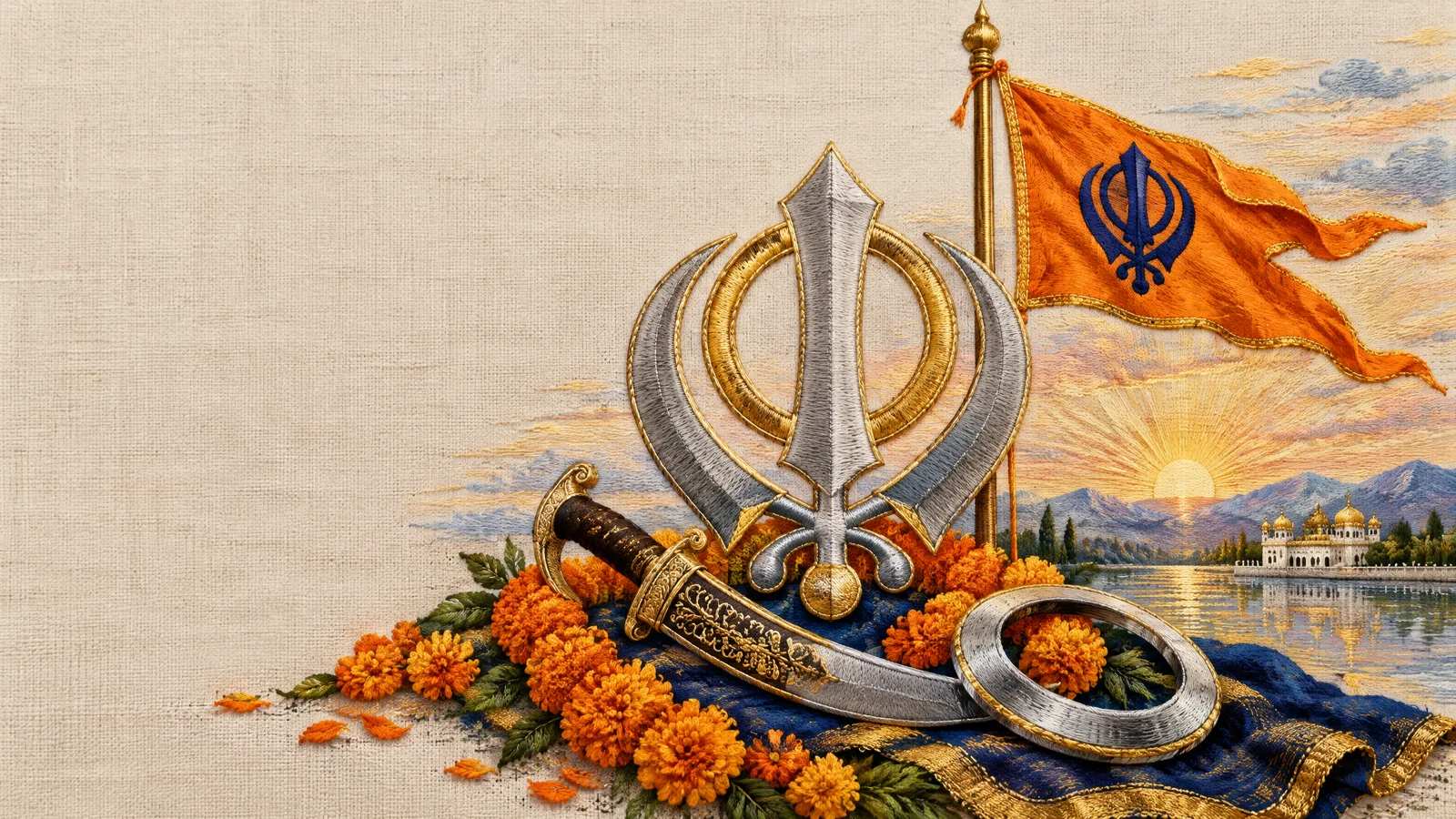
බංග්ලා සාහිබ් ගුර්ද්වාරාව
ගුරු හර් ක්රිෂන් ජීගේ පූජනීය නිවහන සහ සුවපත් කරන සරෝවරය
බංග්ලා සාහිබ් ගුර්ද්වාරාව යනු 17 වන සියවසේ රාජා ජයි සිංගේ මන්දිරය වූ අතර, එහිදී අටවන සික් ගුරුතුමා වූ 'බාල් ගුරු' ශ්රී ගුරු හර් ක්රිෂන් ජී වසූරිය සහ කොලරා වසංගත සමයේදී අසීමිත කරුණාව පෑවේය. ළිං ජලය අමෘතයක් බවට පත් කරමින් ගුරුතුමා අಸංඛ්යාත ජනයා සුවපත් කළේය. වන්දනාකරුවෝ සරෝවරයේ සුවදායක ජලය පානය කරමින්, අඛණ්ඩ ගුර්බානි කීර්තනයට සවන් දෙමින් නිස්වාර්ථ සේවයේ (සේවා) යෙදෙති.
Quick Devotional Guide (At a Glance)
- •WHAT IT IS: The supreme historical shrine commemorating the Eighth Sikh Master, Guru Har Krishan Sahib Ji ('Bal Guru'). Once the regal bungalow of Raja Jai Singh of Amber, it was transformed into a sanctuary of healing where the young Guru manifested miraculous grace during deadly epidemics of smallpox and cholera.
- •WHY VISIT / CHANT: To receive healing from spiritual and physical ailments, eradicate negative karmic impressions, and experience inner tranquillity. Chanting the sacred remembrance of Guru Har Krishan Ji ("Dithe Sab Dukh Jaye") removes all suffering and dispels ignorance.
- •WHEN TO VISIT: Open 24 hours every day. The atmosphere is exquisitely serene during Amrit Vela (3:30 AM – 6:00 AM). Auspicious dates include the Prakash Gurpurab of Guru Har Krishan Ji (July/August), Baisakhi (mid-April), and Diwali / Bandi Chhor Divas (October/November).
- •WHERE: Located near Connaught Place (Ashoka Road), Central New Delhi, India. Altitude: 216 meters above sea level. Nearest Metro Station: Shivaji Stadium / Patel Chowk.
- •HOW (VIDHI & RULES):
- •Dress & Head Cover: Pilgrims must cover their heads with a scarf or rumal and remove footwear and socks at the Joda Ghar before washing hands and feet at the Charan Amrit water channels.
- •Parikrama: Perform a clockwise circumambulation of the sanctum sanctorum and the vast marble-encased Sarovar.
- •Sarovar Amrit: Take a reverent sip and sprinkle the consecrated water (Amrit Jal) from the historic well on the forehead and eyes for inner and outer purification.
- •Offerings & Prashad: Bow humbly before Sri Guru Granth Sahib Ji, make offerings in the Golak, and receive the blessed Karah Prashad with cupped hands.
- •Sewa & Langar: Partake in or serve at the 24/7 Langar hall, cleaning utensils, chopping vegetables, or distributing flatbreads with boundless humility.
Sacred Origin & Puranic / Scriptural Lineage
In the sacred lineage of Sikh masters, the Divine Light passed to Sri Guru Har Krishan Ji in 1661 CE when he was barely five years of age. Revering his supreme spiritual wisdom and pure consciousness, devotees lovingly hailed him as 'Bal Guru' (the Child Prophet). In 1664 CE, upon the invitation of Mirza Raja Jai Singh I of Amber and Emperor Aurangzeb, Guru Har Krishan Ji arrived in historic Delhi and took up residence at the monarch's grand suburban palace, known as Jaisinghpura Bungalow.
During this period, a devastating catastrophe struck Delhi in the dual fury of virulent smallpox (chechak) and cholera (haija). The afflicted poor, destitute, and suffering masses were left without medicine or refuge. Moved by divine empathy, Guru Har Krishan Ji turned the palace into a vast open dispensary of spiritual and bodily solace. The young Guru personally tended to the untouchable and diseased, bathing their sores, serving food, and comforting broken hearts. He sanctified the fresh subterranean water drawn from the palace well through the power of Gurbani and divine intention (Drishti), distributing it to the sick. Miraculously, all who partook of this sanctified water found themselves healed of lethal contagion.
To absorb the suffering of the world into his own mortal form, the tender eight-year-old Guru contracted the deadly fever of smallpox. Rather than utilizing spiritual powers for his personal physical preservation, he surrendered serenely to the Divine Will (Hukam), uttering the historic declaration "Baba Bakale" (revealing his grand-uncle, Sri Guru Tegh Bahadur Ji, as the Ninth Guru) before his holy light merged into the Eternal Light (Joti Jot) on the banks of the Yamuna. Following his ascension, Raja Jai Singh converted the royal bungalow into a sacred shrine and constructed a vast pond over the consecrated well, establishing Gurdwara Bangla Sahib as an eternal kshetra of divine mercy.
The Sacred Shrines & Sites
Saints, Mystics & Historical Lineage
- •Sri Guru Har Krishan Ji (1656–1664 CE): The Eighth Sovereign Master who sanctified this soil with his compassionate presence, transmuting worldly suffering into divine nectar and sealing his love for humanity through supreme sacrifice.
- •Mirza Raja Jai Singh I (1611–1667 CE): The illustrious Amber king and Mughal commander who offered his palace to the Guru with profound devotion and initiated the preservation of the sacred well.
- •Baba Baghel Singh Dhaliwal (1730–1802 CE): The legendary Sikh general of the Karor Singhia Misl who conquered Delhi in 1783 CE and constructed the historic Gurdwara structures and Sarovar at Bangla Sahib, Sis Ganj, and Rakab Ganj.
- •Sardar Bhagat Singh & Delhi Sikh Gurdwara Management Committee (Modern Era): Rebuilt the golden domes, marble colonnades, multi-level hospital, and diagnostic center, embodying the eternal spirit of healing.
Sacred Hymn & Contemplation
Composed by the Tenth Master, Sri Guru Gobind Singh Ji, in the introductory stanza of Sri Chandi Di Var and enshrined within the daily Sikh Ardas:
ਸ੍ਰੀ ਹਰਿਕ੍ਰਿਸਨ ਧਿਆਈਐ ਜਿਸੁ ਡਿਠੇ ਸਭਿ ਦੁਖਿ ਜਾਇ ॥
Srī Hari Krishan Dhiāīai Jis Diṭhe Sabh Dukh Jāe.
"Meditate with single-minded devotion upon the glorious Guru Har Krishan,
By whose sacred sight alone all sufferings, sorrows, and illnesses vanish forever."
— Sri Dasam Granth / Sikh Ardas
ඔබ දැන සිටියාද?
The shrine's grand Sarovar is supplied by the very same sweet water well that Guru Har Krishan Ji consecrated in 1664 to eradicate the Delhi epidemics.
Devotees from across the globe take home bottles of 'Amrit Jal' from Bangla Sahib, holding deep faith in its miraculous curative properties for chronic illnesses.
The site was originally called 'Jaisinghpura Palace' before being venerated as 'Bangla Sahib' ('The Sacred Bungalow').
During the 1783 conquest of Delhi, Sikh General Baba Baghel Singh oversaw the construction of this Gurdwara along with eight other historic Sikh sites in the Mughal capital.
Bangla Sahib operates one of India's largest charitable kitchens and a modern ultra-low-cost diagnostic hospital right on its premises, serving humanity round the clock.
Guru Har Krishan Ji
සික් ධර්මය වෙතින් තවත්
සම්බන්ධිත ඉගැන්වීම්
එකම ඉගැන්වීම, විවිධ සම්ප්රදායන් හරහා ප්රතිධ්වනිත වේ