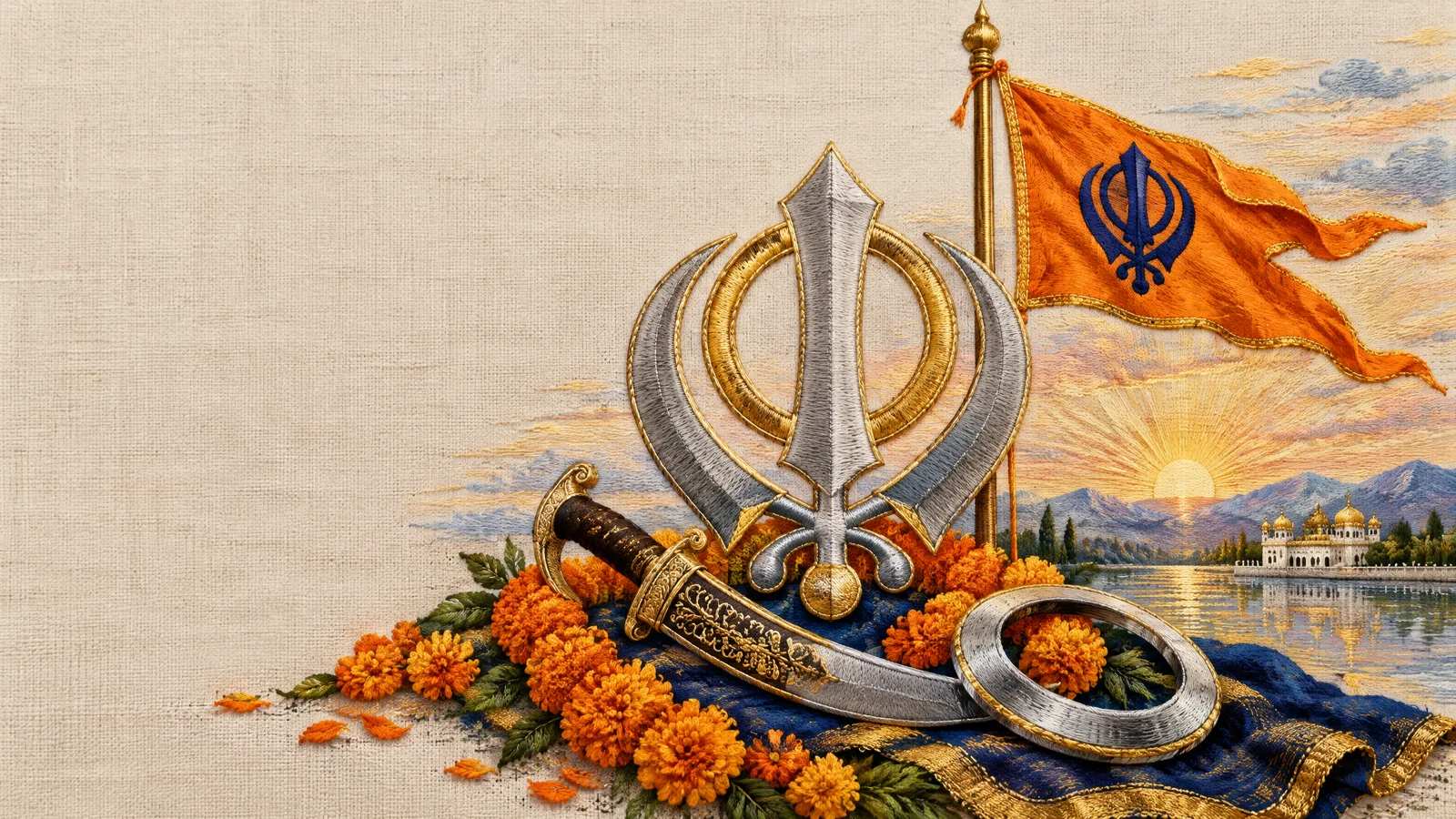
Gurdwara Fatehgarh Sahib
The Sahibzade's Final Shrine
Gurdwara Fatehgarh Sahib in Sirhind, Punjab, marks where Guru Gobind Singh's two young sons and mother were martyred for refusing to renounce their faith.
Gurdwara Fatehgarh Sahib stands in Sirhind, Punjab, on the ground where the two youngest sons of Guru Gobind Singh, the tenth Sikh Guru, and their grandmother Mata Gujri met their end rather than renounce their faith. It is among the most solemn pilgrimage sites in the Sikh world, and every winter hundreds of thousands of devotees gather here to remember a sacrifice made by children.
Quick Devotional Guide
- •What it is: The memorial complex marking the spot where Baba Zorawar Singh (age nine) and Baba Fateh Singh (age seven), the younger sons of Guru Gobind Singh, were put to death in the winter of 1705 CE for refusing to abandon their faith.
- •Why visit: Pilgrims come to draw on the Sahibzade's (the Guru's young sons') fortitude (chardi kala), to sit with the weight of their choice, and to offer Ardas at the exact ground where it was made.
- •When to visit: Open year-round; the most sacred period is the three-day Shaheedi Jor Mela, held each December around the 25th to 27th, drawing vast crowds in solemn remembrance.
- •Where: Sirhind, Fatehgarh Sahib District, Punjab, roughly 50 km from Chandigarh.
- •How: Cover the head at all times, remove footwear and leather before entering, wash hands and feet in the charan ganga channels, bow before Sri Guru Granth Sahib, take karah parshad, sit quietly at Bhora Sahib and Thanda Burj, and share a meal at the langar hall.
What Happened Here
In the winter of 1705, after Guru Gobind Singh and his family were separated while evacuating Anandpur Sahib, Mata Gujri and her two young grandsons were captured and brought to Sirhind. The local authorities there pressed the boys to renounce their faith, offering them comfort and status if they did. Zorawar Singh and Fateh Singh, nine and seven years old, refused without hesitation. They were held through the freezing nights in the open Thanda Burj, the Cold Tower, and when they still would not yield, they were sentenced to be bricked alive within a masonry wall. Tradition holds that they met their end reciting the Japji Sahib, Guru Nanak's own morning prayer that opens the Guru Granth Sahib at Ang 1. Mata Gujri, upon learning of her grandsons' fate, is said to have passed in prayer soon after. The ground came to be called Fatehgarh, the Fortress of Victory, for the triumph of their faith over every pressure brought against it.
The Sacred Shrines
Those Who Stood By Them
Diwan Todar Mal, a wealthy Sikh merchant of Sirhind, bought the small plot of land needed for the cremation by covering it edge to edge with roughly 7,800 gold coins stood on their sides. This price was exacted deliberately to test his devotion, and he paid it without hesitation. Baba Moti Ram Mehra, a servant in the Thanda Burj, secretly carried milk to Mata Gujri and the boys through the freezing nights, and is remembered to have paid for it with his own family's lives once the act was discovered. In 1710, Baba Banda Singh Bahadur led the Khalsa to Sirhind and secured the city, consecrating the ground of the martyrdom as a permanent shrine. In the nineteenth century, the rulers of the Phulkian dynasty, based in Patiala, built the marble structures that stand at the complex today.
Words at the Shrine
ਸੂਰਾ ਸੋ ਪਹਿਚਾਨੀਐ ਜੁ ਲਰੈ ਦੀਨ ਕੇ ਹੇਤ ॥
ਪੁਰਜਾ ਪੁਰਜਾ ਕਟਿ ਮਰੈ ਕਬਹੂ ਨ ਛਾਡੈ ਖੇਤੁ ॥੨॥੨॥
Sura so pahichaniai ju larai din ke het. Purja purja kati marai kabahu na chadai khetu.
"He alone is known as a true warrior who fights for the defenseless. He may be cut limb from limb, but he never abandons the field of faith."
— Sri Guru Granth Sahib, Ang 1105
Pilgrims often pair a visit here with the katha, the narrated account, of the Sahibzade's wider story, and with Guru Gobind Singh's own founding of the Khalsa a few years earlier at Anandpur Sahib, the community whose discipline the two boys had already made their own by the time they were asked to choose between it and their lives.
Did You Know?
The price of the land
Diwan Todar Mal paid roughly 7,800 gold coins, stood upright edge to edge, to buy the small plot of ground needed to cremate the three martyrs — a price set deliberately high to test his devotion.
A servant's hidden kindness
Baba Moti Ram Mehra secretly carried milk to Mata Gujri and the young Sahibzade through the freezing nights in the Thanda Burj, and is remembered to have paid for it with his family's lives once discovered.
Bhora Sahib
The subterranean sanctum at Fatehgarh Sahib preserves the exact ground where the wall was built around the two boys.
Fortress of Victory
The name Fatehgarh means 'fortress of victory,' given to this ground because the Sahibzade's faith held firm against every pressure brought to break it.
Guru Gobind Singh Ji
More from Sikhism
Connected Teachings
The same teaching, echoed across traditions