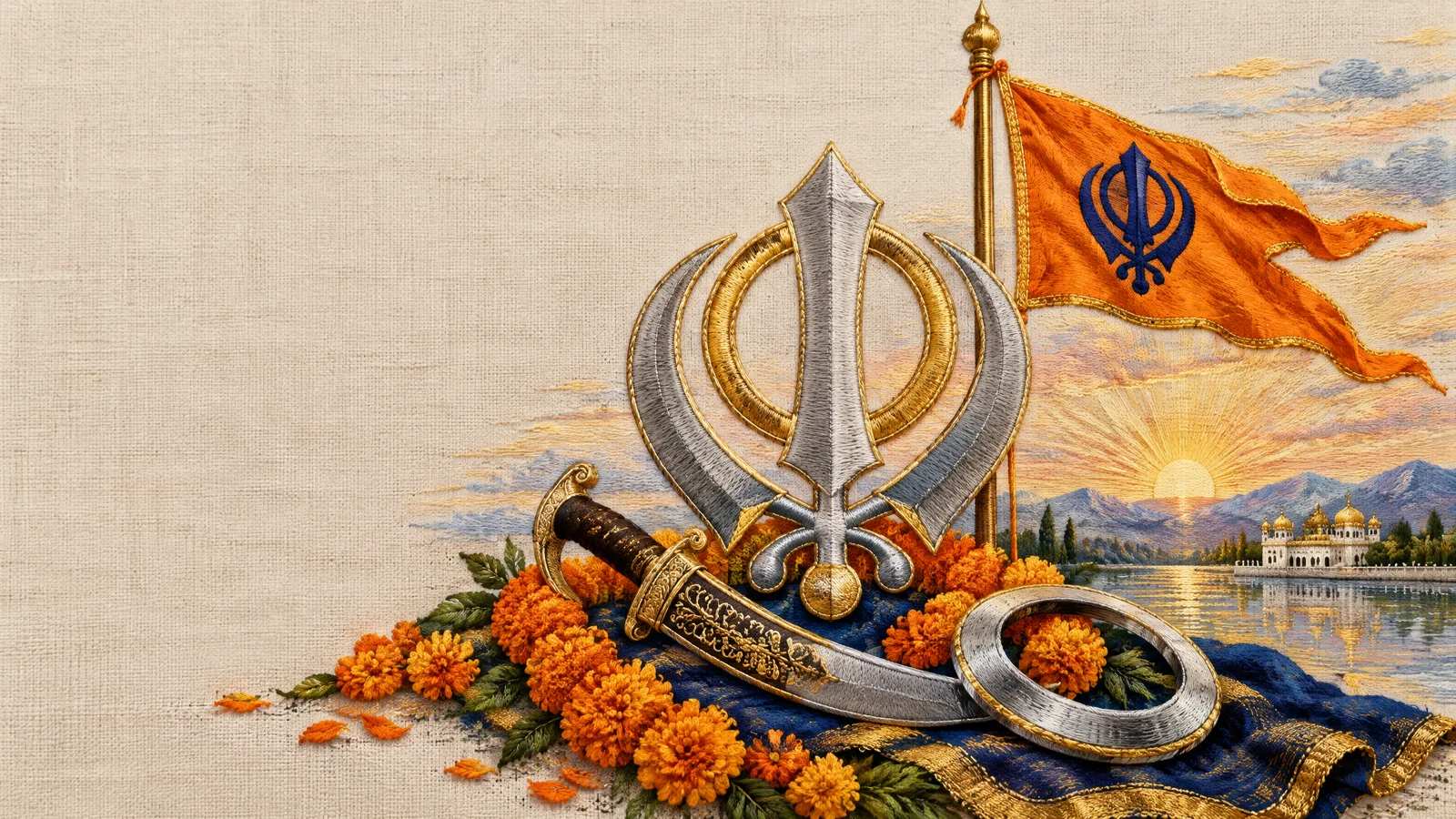
සික් ධර්මයේ පංච තඛ්ත්
අධ්යාත්මික හා සමාජීය අධිකාරියේ පූජනීය ආසන පහ
සික් ධර්මයේ අධ්යාත්මික හා සමාජ සාධාරණත්වය සංකේතවත් කරන පූජනීය තඛ්ත් පහ.
The Principle of Miri and Piri
The concept of the Takht in Sikhism embodies the integral philosophy of Miri (temporal, civic responsibility and protection of the vulnerable) and Piri (spiritual wisdom and devotion). In 1606 CE, Guru Hargobind Sahib, the sixth Sikh Guru, laid the foundation of Sri Akal Takht Sahib directly facing Sri Harmandir Sahib in Amritsar.
While Harmandir Sahib represents serene contemplation, divine singing, and universal humility, the Akal Takht represents righteous sovereignty, justice, and the active defense of human dignity. Over the centuries, four additional historical Gurdwaras were consecrated as Takhts.
The Five Sacred Takhts of Sikh Tradition
Devotional Life & Universal Service
All five Takhts maintain an unbroken cycle of spiritual praise and hospitality:
- •Continuous singing of Gurbani Kirtan from early morning until evening Sukhasan.
- •Free community kitchens serving nutritious meals to everyone without distinction of caste, religion, or gender.
- •Custodianship of sacred historical weapons, manuscripts, and relics associated with the Sikh Gurus.
Sacred Shabad: The Mool Mantar
The foundational truth revealed by Guru Nanak Dev Ji in Sri Guru Granth Sahib:
Ik Onkar Satnam
Karta Purakh Nirbhau Nirvair
Akal Murat Ajuni Saibhan
Gur Prasad॥
Jap॥
Aad Sach Jugaad Sach
Hai Bhi Sach Nanak Hosi Bhi Sach॥
ඔබ දැන සිටියාද?
Two swords at one installation
Guru Hargobind wore two swords when he took up the Guruship, one for miri (temporal authority) and one for piri (spiritual authority), the principle the Akal Takht was built to embody.
Guru Ki Kashi
Damdama Sahib earned the name Guru Ki Kashi, the Guru's own Kashi, after Guru Gobind Singh recited the entire Guru Granth Sahib there from memory for Bhai Mani Singh to transcribe.
Recognized centuries later
Although Guru Gobind Singh's stay at Damdama Sahib took place in 1705, it was only formally recognized as the fifth takht in 1966.
The last human Guru
At Hazur Sahib in 1708, Guru Gobind Singh ended the line of living Gurus and placed the eternal Guruship in the Guru Granth Sahib itself.
Guru Nanak Dev Ji
සික් ධර්මය වෙතින් තවත්
සම්බන්ධිත ඉගැන්වීම්
එකම ඉගැන්වීම, විවිධ සම්ප්රදායන් හරහා ප්රතිධ්වනිත වේ