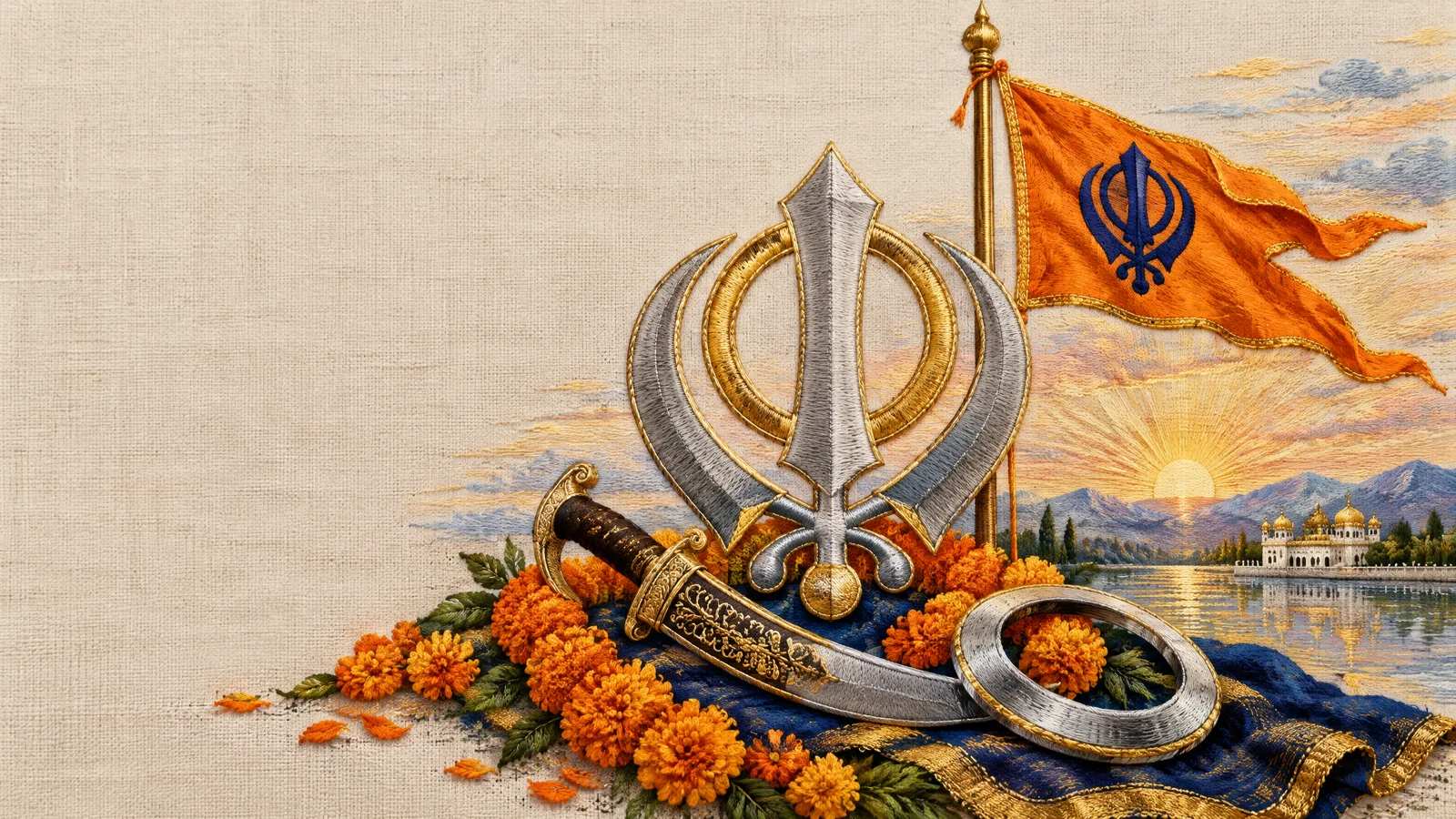
Hemkund Sahib
The Himalayan Glacial Sanctuary
Hemkund Sahib, at 4,632 meters in Uttarakhand, marks the site described in Guru Gobind Singh's Bachitar Natak where he performed his prior-life penance.
Quick Devotional Guide (At a Glance)
- •WHAT IT IS: The supreme high-altitude Sikh sanctuary and glacial lake (Amrit Sarovar) where the Tenth Master, Sri Guru Gobind Singh Ji Maharaj, in his previous incarnation as Rishi Dusht Daman, performed immense austerity (Maha Kalka Aradhana) and merged into the Timeless Creator (Akal Purakh).
- •WHY VISIT / CHANT: Commemorated in the sacred scripture Sri Dasam Granth (Bachitar Natak). Undertaking this strenuous pilgrimage dissolves deep-seated karmic encumbrances, bestows unshakeable spiritual courage, clarifies the inner consciousness (Surat), and awakens boundless divine grace.
- •WHEN TO VISIT: Open annually for approximately 4 to 5 months from late May/early June to early October. The peak devotional periods coincide with the opening fortnight, the Prakash Gurpurab celebrations, and late August when rare high-altitude Brahma Kamals bloom around the sacred lake.
- •WHERE: Chamoli District, Garhwal Himalayas, Uttarakhand, India. Altitude: 4,632 meters (15,200 ft). Base Camp: Govindghat (on the banks of the Alaknanda River); Mid-point halt: Ghangaria (Govind Dham, 3,048 m).
- •HOW (VIDHI & RULES):
- •Pilgrimage Sequence: Rishikesh to Joshimath to Govindghat, then trek to Ghangaria (13 km), then a steep ascent to Hemkund Sahib (6 km).
- •Snana Protocol: Bathe with pure devotion in the icy glacial waters of Sri Hemkund Sarovar while reciting the Mool Mantar and Waheguru Simran.
- •Darshan & Seva: Perform silent reverent Parikrama (circumambulation) around the holy lake and sanctum; participate in Nitnem, Asa di Var, and Anand Sahib paath inside the pentagonal Gurdwara; partake of the blessed Karah Parshad and Langar.
- •Dress & Sanctity: Modest woollen pilgrim attire; head strictly covered with a turban or cloth (dastar/dupatta); footwear removed before stepping onto sacred premises; utter prohibition of tobacco, alcohol, and non-vegetarian food throughout the sacred valley.
Sacred Origin & Puranic / Scriptural Lineage
The cosmic origin of Sri Hemkund Sahib is uniquely revealed through the autobiographical verses of the Tenth Sikh Guru, Sri Guru Gobind Singh Ji Maharaj, in the Bachitar Natak (The Resplendent Drama), an integral part of the Sri Dasam Granth Sahib Ji. Guru Gobind Singh Ji describes his prior existence. He recounts it before descending into the mortal plane of seventeenth-century Bharatvarsha:
ਹੇਮ ਕੁੰਟ ਪਰਬਤ ਹੈ ਜਹਾਂ ॥ ਸਪਤ ਸ੍ਰਿੰਗ ਸੋਭਿਤ ਹੈ ਤਹਾਂ ॥.
ਤਹ ਹਮ ਅਧਿਕ ਤਪਸਿਆ ਸਾਧੀ ॥ ਮਹਾਂ ਕਾਲ ਕਾਲਕਾ ਅਰਾਧੀ ॥.
"Where the mountain of Hemkunt stands, adorned by seven resplendent peaks, there I performed supreme meditation and worshipped the Transcendent Timeless Divine (Maha Kal Kalka). Through such rigorous devotion, the duality dissolved, and two became One."
In that prior cosmic aeon, the Great Soul was known in later Sikh tradition, drawing on Bhai Santokh Singh's account, as Dusht Daman, vanquisher of the wicked, who sat upon the icy rock beside this high-altitude glacial tarn, immersed in unbroken samadhi. Here, the individual soul (Jivatma) attained complete dissolution (Abhedata) into the Supreme Light (Paramatma / Akal Purakh). It was from this zenith of absolute non-duality that the Supreme Lord commanded the Rishi to assume physical birth in the mortal realm as the Tenth Guru, to protect righteousness (Dharma), destroy tyranny, and establish the Khalsa Panth.
Local Himalayan tradition also associates this celestial lake, historically revered as Lokpal Sarovar, with the deep penance of Sri Lakshmana (brother of Lord Sri Rama) and ancient rishis who sought the supreme unmanifest silence of the Higher Himalayas. The sacred geometry of the seven enclosing peaks (Saptashringa)—each draped in perennial glaciers—creates a natural amphitheater of transcendental vibration, sanctified by millennia of continuous penance.
The Sacred Shrines & Sites
Saints, Mystics & Historical Lineage
For centuries after Guru Gobind Singh Ji's earthly ascension in 1708 CE, the exact geographical location of Hemkunt Parvat remained veiled in Himalayan mists, accessible only through the description preserved in the Bachitar Natak. The first serious attempt to locate the site came in 1884, when Pandit Tara Singh Narottam published Sri Gur Tirath Sangrah, a survey of Sikh pilgrimage places that matched the scripture's clues to the Garhwal Himalayas. In 1925, the Sikh scholar and poet Bhai Vir Singh Ji published Sri Kalgidhar Chamatkar, describing the site in greater depth and inspiring the search that would finally succeed a decade later.
Inspired by Bhai Vir Singh Ji's writings, Sant Sohan Singh of Tehri embarked upon an unrelenting spiritual quest in 1934, traversing uncharted alpine passes until he beheld the seven peaks and the glacial lake. He experienced there the unmistakable resonance of the Tenth Master's presence. Soon thereafter, Havildar Baba Modan Singh of the Bengal Sappers joined the sacred mission, dedicating his life to constructing the initial small stone shrine amidst harrowing weather conditions.
Over the subsequent decades, selfless architectural engineers like Major General Harkirat Singh and Sardar Madan Mohan Singh designed the present five-sided pentagonal marvel, engineered with reinforced steel to endure colossal winter avalanches. Generations of dedicated Gursikhs, sadhus, and mountain pilgrims have upheld uninterrupted Sewa (selfless service) and Simran, preserving Hemkund Sahib as an invincible beacon of divine tapasya.
Sacred Hymn & Contemplation
From the sacred composition Bachitar Natak (Sri Dasam Granth Sahib Ji, Chapter 6, Chaupai):
ਪ੍ਰਭ ਜਬ ਤੇ ਕਹਿ ਕੈ ਮੁਹਿ ਘਾਲੇ ॥ ਤਬ ਤੇ ਜਗਤਿ ਮਹਿ ਹਮ ਆਲੇ ॥.
ਜਹ ਤਹ ਭਏ ਧਰਮ ਬਿਸਥਾਰਾ ॥ ਦੁਸਟ ਦੋਖੀਅਨ ਕਰਿ ਉਧਾਰਾ ॥.
ਹੇਮ ਕੁੰਟ ਪਰਬਤ ਹੈ ਜਹਾਂ ॥ ਸਪਤ ਸ੍ਰਿੰਗ ਸੋਭਿਤ ਹੈ ਤਹਾਂ ॥.
ਤਹ ਹਮ ਅਧਿਕ ਤਪਸਿਆ ਸਾਧੀ ॥ ਮਹਾਂ ਕਾਲ ਕਾਲਕਾ ਅਰਾਧੀ ॥.
ਇਹ ਬਿਧਿ ਕਰਤ ਤਪਸਿਆ ਭਯੋ ॥ ਦ੍ਵੈ ਤੇ ਏਕ ਰੂਪ ਹ੍ਵੈ ਗਯੋ ॥.
Prabh jab te kahi kai muhi ghaale, tab te jagat mai ham aale.
Jah tah bhae dharam bisthaara, dusht dokhiyan kari udhaara.
Hemkunt parbat hai jahan, sapat sring sobhit hai tahan.
Tah ham adhik tapasiya saadhi, Maha Kal Kalka aradhi.
Eh bidhi karat tapasiya bhayo, dvai te ek roop hvai gayo.
Meaning:
"When the Supreme Lord commanded me, then I entered into this mortal realm. He sent me to establish righteousness across the earth, and to liberate the righteous by eliminating the wicked and demonic forces. Where the mountain of Hemkunt stands, crowned by seven sovereign snow peaks, there I performed supreme austerities and worshipped the Timeless Transcendent Almighty. Performing penance in this manner, the duality dissolved completely, and the servant became One with the Supreme Creator."
Did You Know?
Gurdwara Hemkund Sahib is situated at an elevation of 4,632 meters (15,200 ft), making it the highest recognized Sikh place of worship anywhere on Earth.
The shrine's unique pentagonal architectural shape was specially designed by Major General Harkirat Singh and architect S. Madan Mohan Singh to deflect heavy winter snowpacks exceeding 30 feet.
The surrounding high-altitude meadows are among the few sacred habitats where the mythological and revered 'Brahma Kamal' (Saussurea obvallata) blooms in abundant clusters during late August and September.
The holy lake remains completely frozen for more than seven months of the year, with pilgrim access strictly permitted only during the brief Himalayan summer window from June to early October.
Mention of Hemkund Parvat in Guru Gobind Singh Ji's autobiography 'Bachitar Natak' is one of the rare instances in world scriptural history where an enlightened master details their specific geographical tapobhumi from a prior lifetime.
Guru Gobind Singh Ji
More from Sikhism
Connected Teachings
The same teaching, echoed across traditions