經詩內容
我四處尋找邪惡之人,卻一個也未遇見。當我返觀自己的內心時,才發覺沒有誰比我更不善。
Worship Guidelines & Chanting Benefits (Phalashruti)
Daily or auspicious lunar days (Ekadashi, Purnima, Pradosham)
Brahma Muhurta (4:00 AM – 6:00 AM) or Evening Dusk (Sandhya)
Ghee lamp (Deepa), Incense (Dhoopa), Fresh flowers & Water offering
- Peace of mind, spiritual upliftment, and harmonious energy in the home
背景介紹
這首詩歌出自印度中世紀的虔信(巴克提)與聖人(桑特)傳統,傳統上歸屬於詩人聖者卡比爾。它常被用於個人冥想或集會中,作為自我反省與謙卑的提醒,幫助修行者放下對他人的批判,轉而審視自身的缺點。
關於此經文
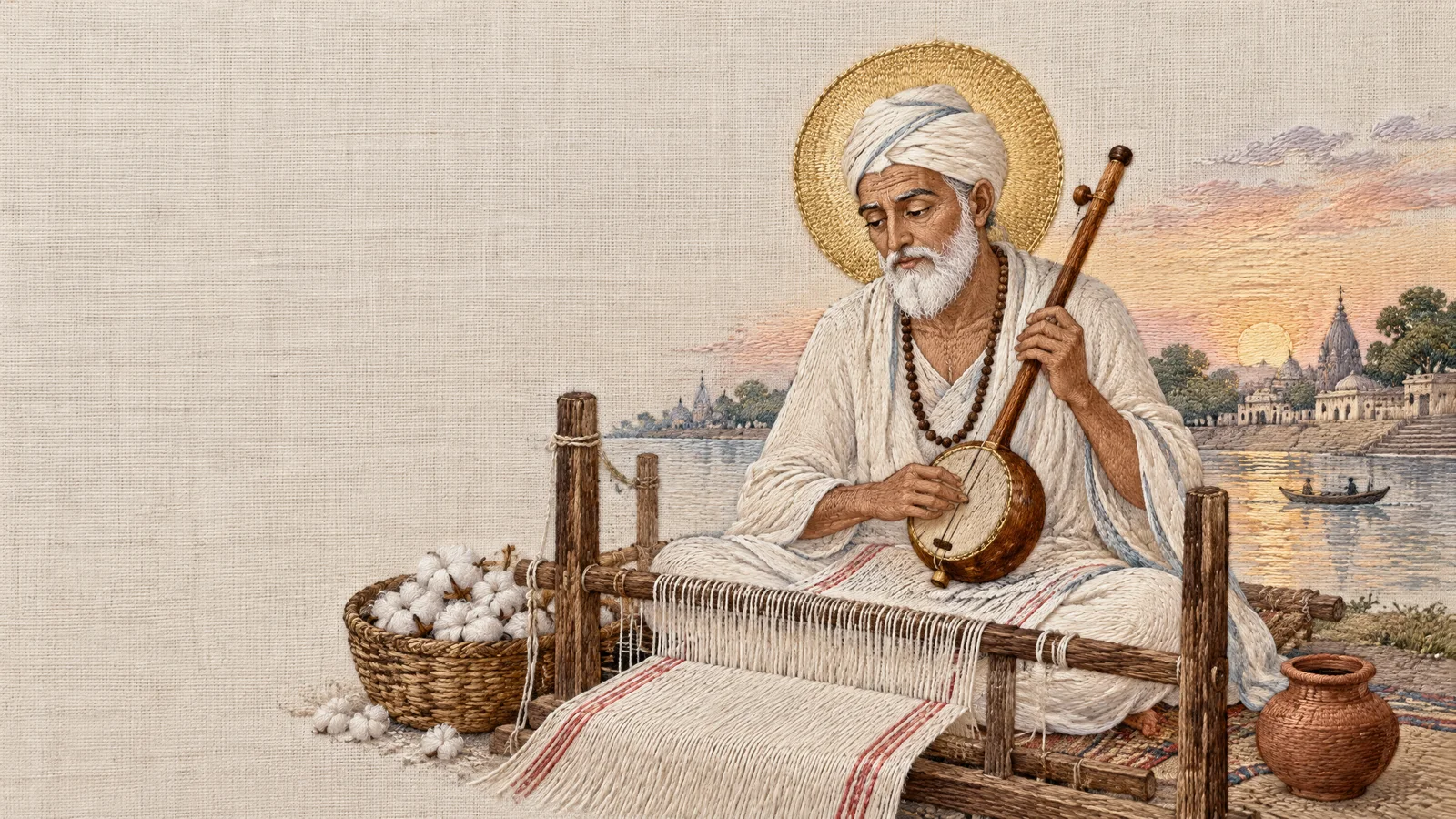
作者: Sant Kabir · Medieval Nirguna Bhakti Poet-Saint · 15th century, Varanasi
A mystic poet and weaver by trade from Varanasi, whose blunt, image-rich couplets (dohas) rejected ritualism and caste distinctions in favor of direct, formless (nirguna) devotion. His verses are revered across Hindu, Sikh (many appear in the Guru Granth Sahib), and Sufi-influenced traditions alike.
您知道嗎?
作者與時代
這首詩出自15世紀印度詩聖迦比爾(Kabir),他是伊斯蘭與印度教融合的虔敬派(Bhakti)代表人物。迦比爾的詩歌以簡潔有力的雙行詩(doha)形式流傳,直指人心,至今仍在南亞廣泛傳頌。
詩歌形式
此詩採用印度傳統的「多哈」(doha)體,每兩行一節,每行有特定音節數。這種形式起源於阿帕布羅什語(Apabhramsha)文學,後來被北印度詩人廣泛使用,特別適合口頭傳誦與記憶。
核心信息
詩句表達了深刻的自我反省:當我們向外尋找他人的缺點時,往往一無所獲;但當我們誠實審視自己的內心,才發現自己才是最大的罪人。這與許多靈修傳統中「先看自己眼中的樑木」的教導不謀而合。
文化影響
迦比爾的這首詩在印度民間廣為流傳,常被引用來教導謙卑與內省。它打破了種姓與宗教的界限,強調個人內在的轉變勝於外在的指責,是虔敬派運動的核心精神之一。
語言特色
原詩使用古印地語(或稱「卡里波利」方言),混合了波斯語與阿拉伯語詞彙,反映了當時的語言融合。迦比爾刻意使用平民語言,讓不識字的民眾也能理解深奧的靈性真理。