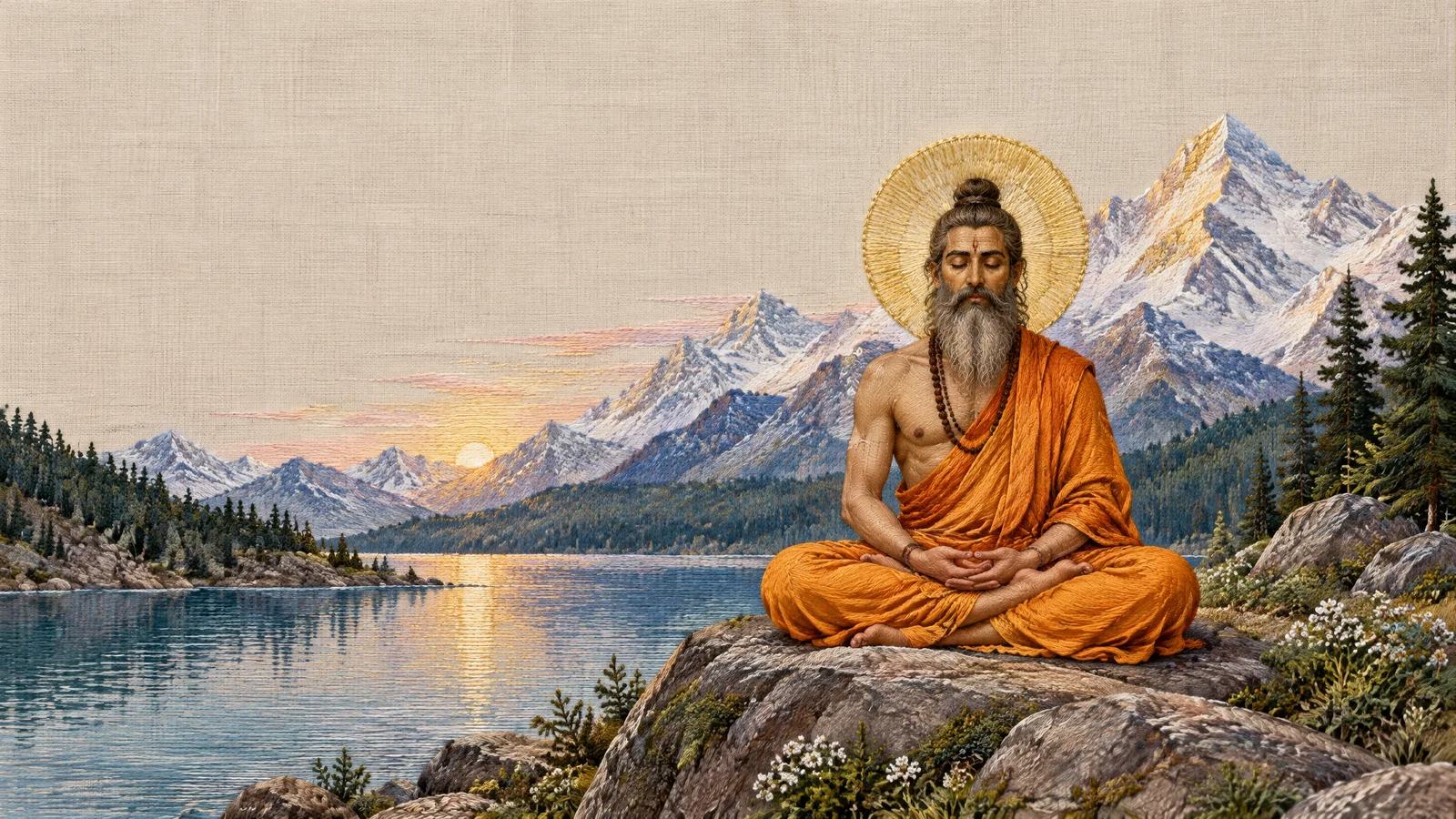
උත්තරකාශි සහ කාශි විශ්වනාථ
සදාකාලික භාවනාවේ පූජනීය හිමාල අසුන
'සෞම්ය කාශි' ලෙස පිදුම් ලබන උත්තරකාශිය, භාගීරථී ගංගා ඉවුරේ පිහිටි වාරාණසියේ හිමාලයානු ප්රතිබිම්භයයි. ස්වයම්භූ ලිංගය සහ ශක්ති ත්රිශූලයෙන් ආශිර්වාද ලත් මෙම භූමිය සත්ය ගවේෂකයන්ට මෝක්ෂය ප්රදානය කරයි.
Quick Devotional Guide (At a Glance)
- •WHAT IT IS: Known scripturally as Soumya Kashi (the gentle, contemplative realm of Shiva), Uttarkashi is the northern spiritual anchor of Kashi (Varanasi). It is consecrated by an ancient Swayambhu Lingam at the historic Kashi Vishwanath Mandir, the impenetrable Shakti Trishula (spear of the Divine Mother), and sacred confluences mirroring Varanasi's geography.
- •WHY VISIT / CHANT: Ideal for practitioners of Yoga, silent Japa, Pranayama, and Vedanta Sravana (contemplative scriptural listening). Worshiping here neutralizes deep-seated vasanas, removes spiritual blockages, and grants the fruit of performing austerities across thousands of solar cycles.
- •WHEN TO VISIT: Open throughout the year. The optimal pilgrimage window is April to June (pleasant Himalayan spring/summer) and September to November (crisp, clear skies post-monsoon). Maha Shivaratri and Shravan Maas witness profound devotional vibrancy.
- •WHERE: Garhwal Himalayas, Uttarakhand, India; perched at an elevation of 1,158 meters (3,800 feet) along the bank of the Bhagirathi River. Nearest railhead is Rishikesh/Dehradun (approx. 145–170 km); nearest airport is Jolly Grant, Dehradun.
- •HOW (VIDHI & RULES):
- •Begin with a sacred purification dip (Snana) at Manikarnika Ghat or the confluence of the Varuna and Bhagirathi rivers.
- •Enter the Sri Kashi Vishwanath sanctum in modest, unstitched traditional attire (dhoti/kurta for men; saree/salwar for women).
- •Offer bilva leaves, holy Ganga water, and raw cow's milk upon the Swayambhu Lingam while chanting the Rudra Trishati or Maha Mrityunjaya Mantra.
- •Perform Pradakshina (circumambulation) and proceed immediately to the facing Shakti Temple to offer Kumkum, red flowers, and silent prostrations before the giant divine weapon.
- •Conclude with seated silent meditation (Dhyana) for at least 24 minutes within the energized precincts.
Sacred Origin & Puranic / Scriptural Lineage
According to the Kedarakhanda of the Skanda Purana, when the Kali Yuga reaches its zenith and spiritual darkness intensifies, the supreme tejas (divine effulgence) of Kashi (Varanasi) is sustained within its northern manifestation—Soumya Kashi or Uttarkashi. Nestled in the divine lap of the Garhwal Himalayas, the town is geometrically and mystically configured to replicate Varanasi: it is guarded on the north by the Varuna River and on the south by the Asi River, both merging into the swiftly flowing, crystal-pure Bhagirathi-Ganga. It is declared that Shiva resides here eternally in His quiescent, meditative mood (Soumya Bhava), conferring transcendental liberation upon those who embrace intense ascetic tapasya.
The central sanctum houses a magnificent Swayambhu (self-manifested) Lingam that emerges directly from the bedrock of the Himalayas. Scriptural chronicles describe how sage Parashurama, after fulfilling his earthly mission, performed profound penances in this valley to dissolve the karmic weight of warfare, consecrating the shrine with his tapasya. Facing the main Shiva shrine stands the venerated temple of Devi Shakti, housing a colossal divine spear-shaft (Trishula or Shakti) standing over six meters high. Legend records that this weapon was forged from the collective luster of the gods to annihilate the demoniac forces of ignorance; when tapped by a sincere devotee's single finger, the entire metal pillar vibrates with a deep, sonorous hum, revealing its living cosmic energy.
For millennia, Uttarkashi has served as the gateway of spiritual initiation for seekers ascending to Gangotri and Gaumukh. Great sages like Vyasa, Markandeya, and the celestial Gandharvas performed deep anushthanas along its ghats. The spiritual vibrations of this valley make it uniquely suited for Manana (deep reflection) and Nididhyasana (profound meditation), where the ceaseless murmur of the Bhagirathi acts as an unbroken natural sound-vibration (Akhanda Pranava Dhwani), effortlessly stilling the restless mind.
The Sacred Shrines & Sites
Saints, Mystics & Historical Lineage
Uttarkashi's soil has been sanctified by the holy feet of Jagadguru Adi Shankaracharya during his 8th-century Digvijaya, where he debated philosophical doctrines and fortified the Vedic altars of the Central Himalayas. In 1857, the historic Kashi Vishwanath temple was renovated and preserved by Maharani Khaneti of Tehri Garhwal, ensuring the uninterrupted continuity of classical Agamic rituals.
In modern spiritual history, Uttarkashi is renowned as the hermitage of towering Vedantic masters. Swami Tapovan Maharaj, the revered guru of Swami Chinmayananda, spent decades in absolute austere silence (mouna tapasya) here, wandering barefoot on the snow-fed banks of the Bhagirathi while teaching the profound truths of the Upanishads. Swami Sivananda Saraswati, Swami Vishnudevananda, and countless wandering Avadhutas have maintained unbroken lines of silent meditation in the caves of Ujali and nearby cliff-dwellings, making Uttarkashi the undisputed monastic capital of Vedantic yoga in the northern Himalayas.
Sacred Hymn & Contemplation
श्रीविश्वनाथाष्टकम् (श्लोक १)
गङ्गातरङ्गरमणीयजटाकलापं गौरीनिरन्तरविभूषितवामभागम् ।
नारायणप्रियमनङ्गपदापहारं वाराणसीपुरपतिं भज विश्वनाथम् ॥
Gaṅgā-taraṅga-ramaṇīya-jaṭā-kalāpaṁ Gaurī-nirantara-vibhūṣita-vāma-bhāgam ।
Nārāyaṇa-priyam-anaṅga-madāpahāraṁ Vārāṇasī-pura-patiṁ Bhaja Viśvanātham ॥
Devotional Meaning: "I take refuge in Lord Vishwanath, the eternal Master of sacred Kashi; whose matted locks are beautified by the dancing waves of Mother Ganga, whose left side is eternally adorned by Devi Gauri, who is infinitely dear to Lord Narayana, and who destroyed the pride of the god of desire (Kama)."
ඔබ දැන සිටියාද?
The great trident in the Shakti Temple facing the Vishwanath shrine stands over six meters high, and devotees say a single finger can make it tremble.
Like Varanasi, Uttarkashi is cradled by two sacred streams, the Varuna and the Asi, which flow into the Bhagirathi-Ganga.
The Swayambhu Lingam in the sanctum is said to tilt gently to the south, which devotees see as the Lord's compassionate gaze toward the pilgrim.
Swami Tapovan Maharaj, the guru of Swami Chinmayananda, lived and taught in the Himalayas for many years and is known for his book on his Himalayan wanderings, Himagiri Vihar.
Uttarkashi is known as the Soumya Kashi, the gentle Kashi, a Himalayan counterpart of Varanasi.
Shiva
යෝගා වෙතින් තවත්
සම්බන්ධිත ඉගැන්වීම්
එකම ඉගැන්වීම, විවිධ සම්ප්රදායන් හරහා ප්රතිධ්වනිත වේ